Our Story - The Silk People

OUR STORY

Traditional silk weaving heritage

Who are the silk people?

They are none but the Sowrashtras, also known as pattu noolkarars or silk-thread people. They are a community with a profound and enduring contribution to the handloom silk industry of Tamil Nadu.

They originally came from the Lata region of modern-day Gujarat and parts of Maharashtra. Historical evidence suggests they migrated southwards, possibly as early as the 11th century with significant migration during the Vijayanagar Empire period from the 14th to 17th centuries.

Today, every saree we weave continues that legacy. Each thread connects past to present, heritage to modernity. Every piece is a timeless work of art, lovingly created to bring grace and elegance into your life.
OUR HERITAGE

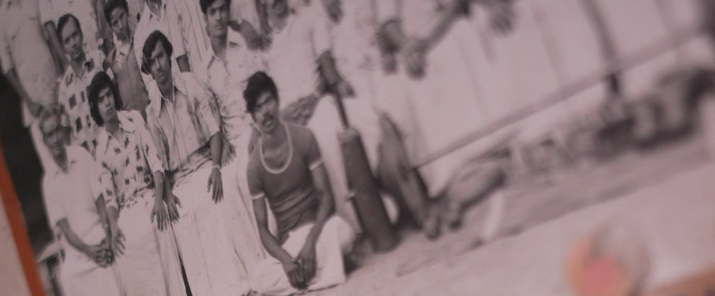
A journey through time

Sowrashtra weaving heritage
1
11TH–17TH CENTURY

Settling in Tamil Nadu

They were invited and patronized by various South Indian rulers, including the Nayak rulers of Madurai from the 16th to 18th centuries, for their exceptional skill in weaving fine silk fabrics. They settled in various towns with Madurai becoming their primary cultural and economic hub.

2
ESTABLISHMENT

Madurai Silk Weaving Hub

The most significant contribution is the establishment of Madurai as a premier centre for silk handlooms. They transformed it from temple town into a bustling commercial centre for silk. The areas of Madurai like Kochadai, Sellur and Vilacheri became the epicentre of this industry and still remain so today, with the rhythmic clatter of looms defining the soundscape.

3
INNOVATION

The 'Thotti System' & Madurai Sungudi

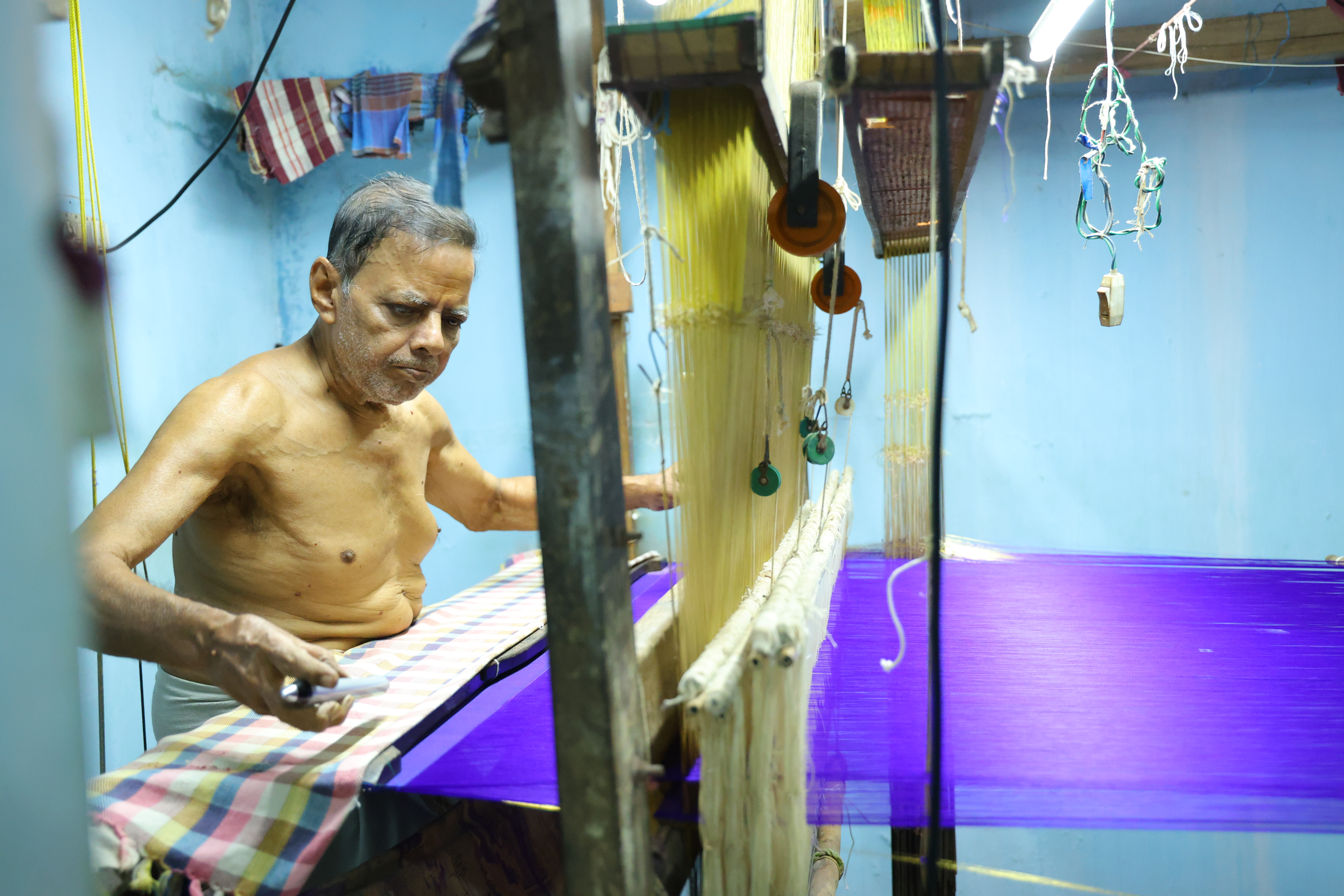
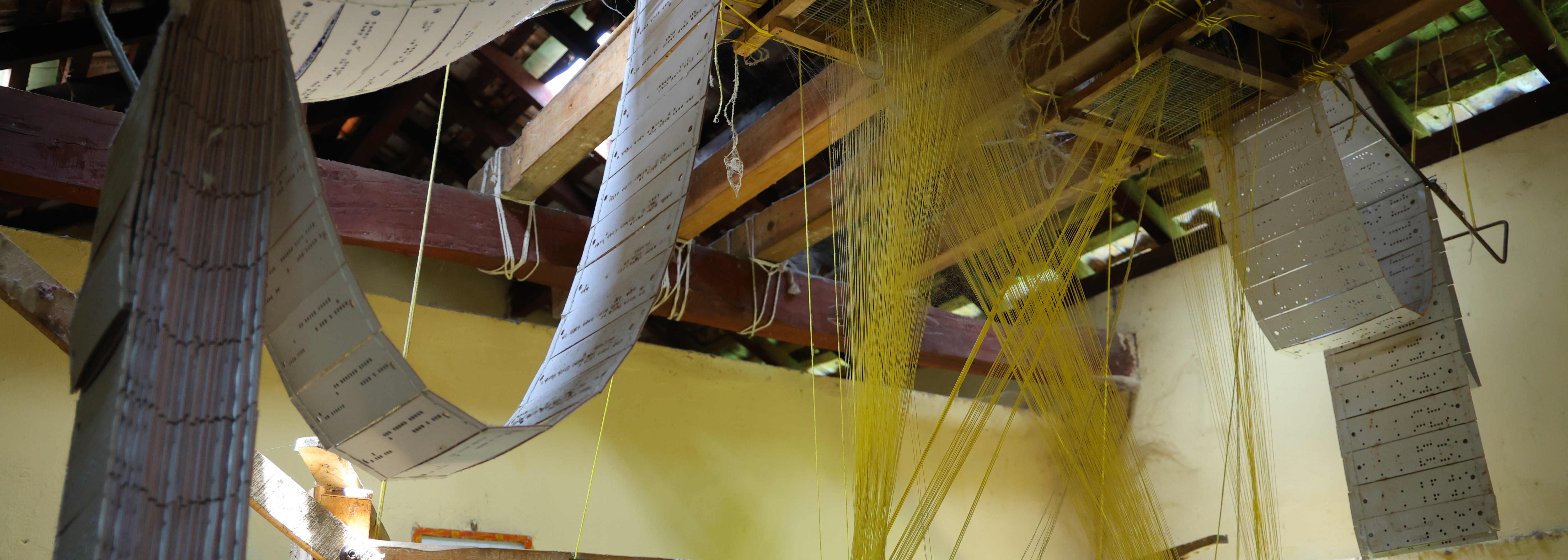
They pioneered the unique 'Thotti system' of weaving intricate designs. The design was first drawn on paper and fixed beneath the warp threads. The weaver would follow this pattern by looking at its reflection in a mirror placed below the warp, allowing for incredible precision. This technique was especially used for their most famous product: The Madurai Sungudi.

4
1720S

Maratha Patronage & Thirubuvanam

By the late 17th century, Nayak rule in Madurai was declining, leading to political instability that disrupted the silk industry the Sowrashtras had built there.

The Maratha ruler Serfoji I (reign 1712-1728) of the Thanjavur Maratha Kingdom was a great patron of art, culture, and temple architecture. He sought to develop Thirubuvanam, a place already sacred due to the Kambahareswarar Temple built by the Chola King Kulothunga III.

Serfoji I actively invited skilled Sowrashtra weavers from Madurai to settle in Thirubuvanam around the 1720s. His goal was to establish a new, premier silk weaving centre under his direct patronage, adjacent to his kingdom's capital, Thanjavur. The location was chosen for its religious significance and its proximity to the Cauvery River, which provided pure water essential for the dyeing process.

The development of Thirubuvanam as a weaving hub was consolidated under Serfoji I's successor, Shahuji I, who continued the patronage, ensuring the weavers had the resources and royal commissions to flourish. Thus, the Sowrashtras settled in Thirubuvanam not as migrants from their original homeland, but as a skilled community relocated within Tamil Nadu by the Maratha rulers.

5
TODAY

Cultural Identity & GI Recognition

The Thirubuvanam silk saree, Madurai Silk saree, especially the Sungudi, and Kanchivaram silk saree are indispensable parts of Tamil culture, worn during festivals, weddings, and important ceremonies. They received the Geographical Indication tag, a testament to their unique regional origin and the Sowrashtra community's role in their creation.

THEIR CONTRIBUTION

To the Handloom Silk Industry

The Sowrashtras were not just weavers: they were innovators, entrepreneurs and custodians of a craft that became synonymous with Tamil Nadu's identity.

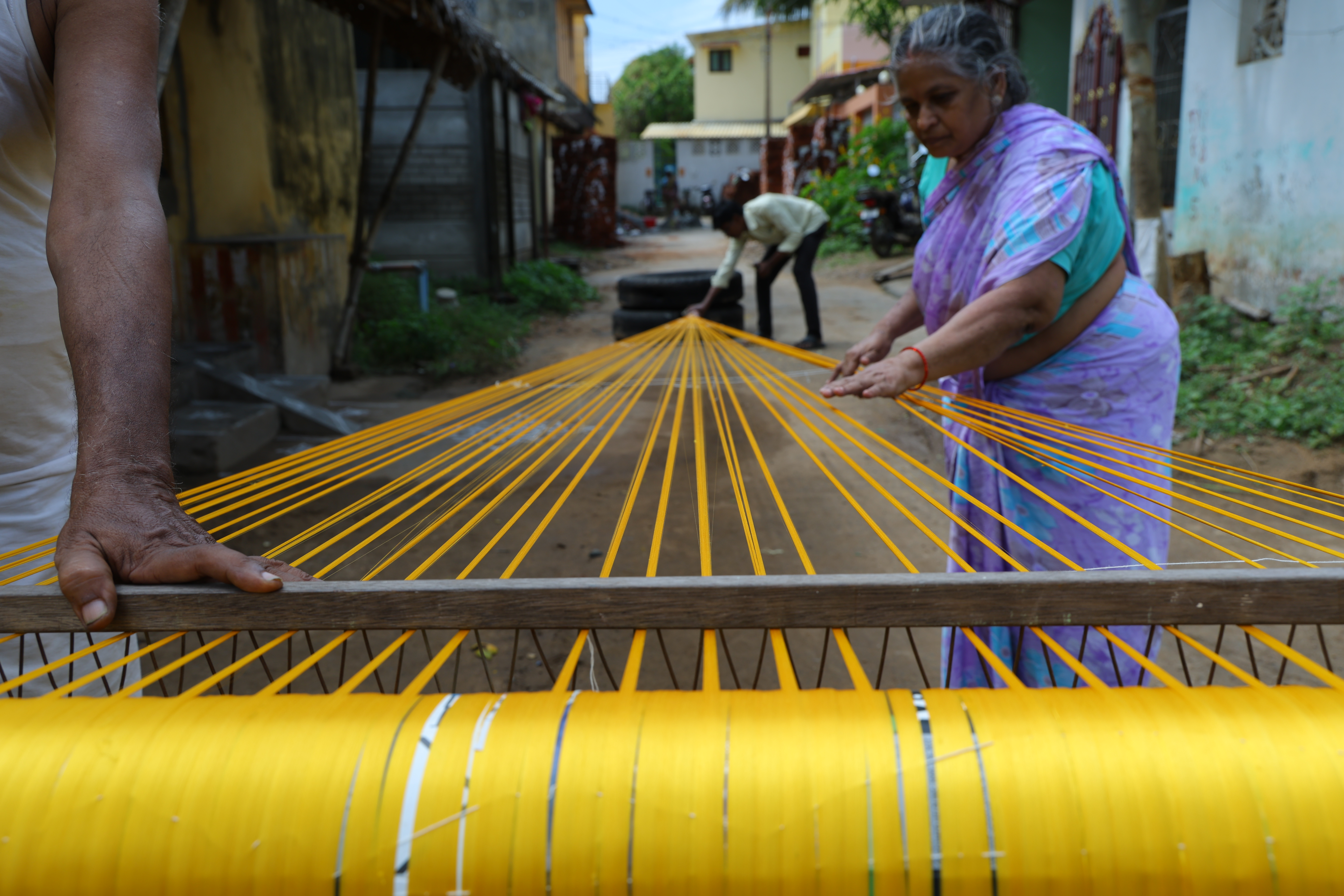
Traditional silk weaving process

Technical Expertise and Specialization

Mastery of Silk

They brought with them advanced techniques of silk rearing, dyeing, and weaving that were not previously widespread in the region...

Guild System

The community was highly organized into guilds that controlled the quality of products, set prices, regulated wages, and settled disputes. This ensured the maintenance of high standards and protected the weavers' interests...

Vertical Integration

Many Sowrashtra families were involved in the entire supply chain, from sourcing raw silk to dyeing, weaving, and finally marketing the finished products. This control over the process ensured quality and economic resilience...

Iconic Products and Innovation

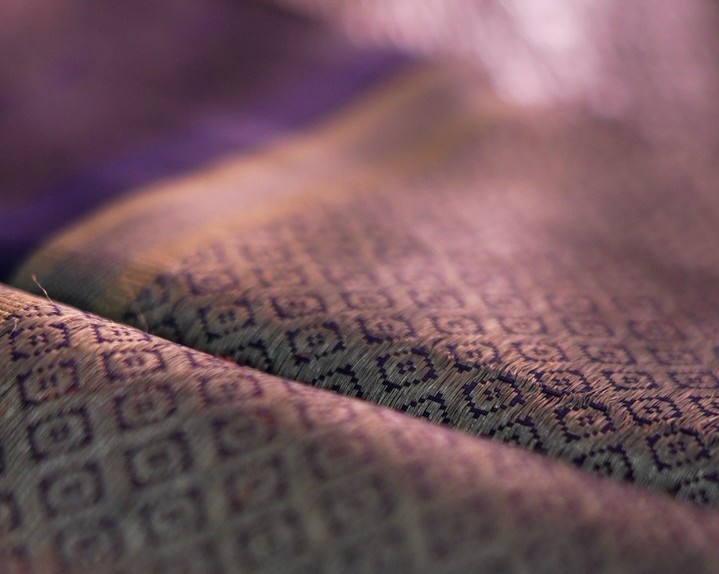
Traditional Madurai Sungudi silk saree

Madurai Sungudi

Their most celebrated contribution. Characterized by intricate patterns of dots, where 'sunghum' means 'to drill' in Tamil, created by tying and dyeing the silk fabric. These sarees were traditionally worn by Nayak Queens and aristocracy. While cotton sungudis are also popular, the silk sungudi is the premium, traditional variant...

Durability

Silk sarees woven by Sowrashtras are renowned for their strength and longevity, crafted to last through generations...

Zari Work

Expert use of pure gold and silver zari thread for borders and pallu, creating masterpieces of unparalleled beauty...

Vibrant Colours

Mastery in creating and using fast, vibrant dyes that retain their brilliance through generations...

LEGACY AND PRESENT SCENARIO

A living tradition continues

The legacy of the Sowrashtras is deeply woven into the fabric of modern Tamil Nadu.

Modern silk weaving tradition

Cultural Identity

The Thirubuvanam silk saree, Madurai Silk saree, especially the Sungudi, and Kanchivaram silk saree are indispensable parts of Tamil culture, worn during festivals, weddings, and important ceremonies. They received the Geographical Indication (GI) tag, a testament to their unique regional origin and the Sowrashtra community's role in their creation.

Economic Mainstay

The handloom silk industry they established remains a major source of employment and revenue for thousands of families all over the state, sustaining entire communities and regional economies.

Adaptation & Challenges

Like many handloom communities, the Sowrashtras face challenges from power looms, changing fashion trends, and rising costs of raw materials (silk and zari). However, they have shown resilience by adapting—creating lightweight silks, fusion designs, and leveraging Government schemes and online marketing to reach global audiences.

The Sowrashtras migrated from western India and established the silk handloom industry in Tamil Nadu under royal patronage. They are not merely one of many weaving communities in India. They are the foundational architects of one of its most famous and enduring handloom traditions.

CONTINUE THE LEGACY

Their story is one of migration, skill, innovation, and a deep, lasting impact on the cultural and economic landscape of Tamil Nadu. Every piece carries this extraordinary heritage forward.

EXPLORE OUR COLLECTION